
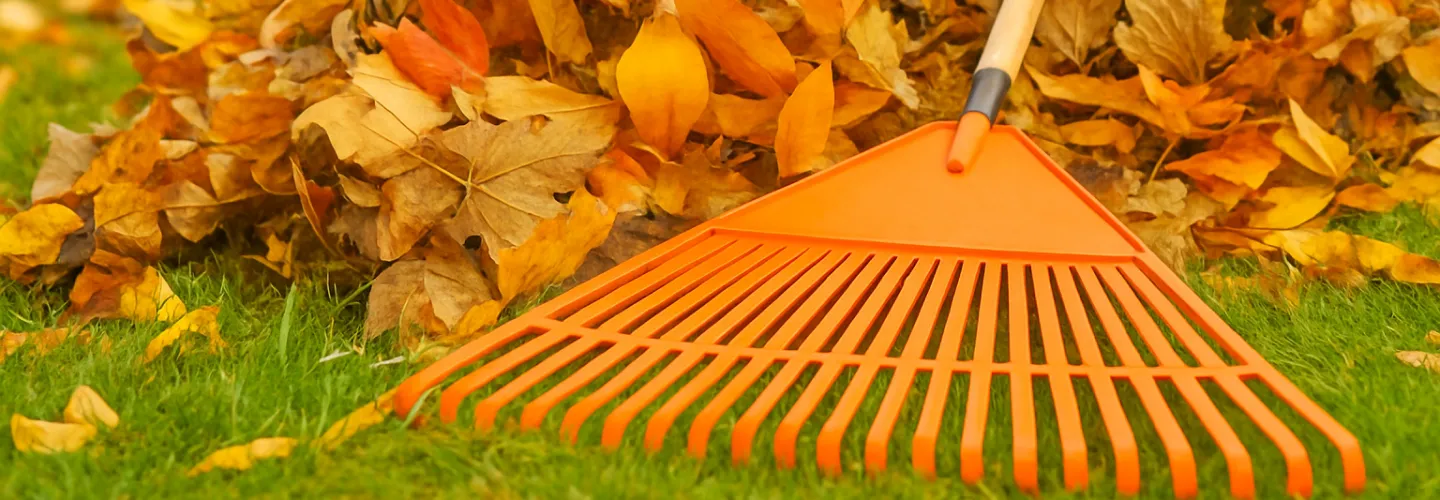
Harrison Plant Removal Services
Choose our plant removal experts for reliable, eco-friendly solutions that restore your landscape’s beauty and ensure your property stays safe and tidy.
Get a Free QuoteOur Harrison Landscaping & Yard Care Services
When to Schedule Plant Removal in Harrison, Ohio – Seasonal Guide
In Harrison, Ohio, timing your plant removal is crucial for both the health of your landscape and compliance with local guidelines. The best periods for plant removal typically fall in late fall after the first frost or early spring before new growth begins. Harrison’s climate, with its humid summers and cold winters, means that soil conditions and plant dormancy play a significant role in determining the optimal window for removal. Neighborhoods near Miami Whitewater Forest or along New Haven Road often experience varying shade coverage and soil moisture, which can affect scheduling.
Local environmental factors such as the average last frost date in April, the risk of summer drought, and the clay-heavy soils common in the area all influence when plant removal is most effective. Homeowners should also be aware of municipal restrictions and guidelines, which can be found on the town’s official website, to ensure compliance and avoid unnecessary delays.
Local Factors to Consider for Plant Removal in Harrison
- Tree density and proximity to structures or utilities
- Terrain slope and soil drainage, especially in areas near Dry Fork Creek
- Seasonal precipitation patterns and risk of soil compaction
- Municipal restrictions on removal and disposal
- Shade coverage from mature trees in neighborhoods like West Harrison
- Timing around local events or roadwork that may impact access
Benefits of Plant Removal in Harrison
Improved Landscape Aesthetics
Enhanced Property Value
Healthier Plant Growth
Reduced Pest Infestation
Increased Usable Space
Professional and Efficient Service
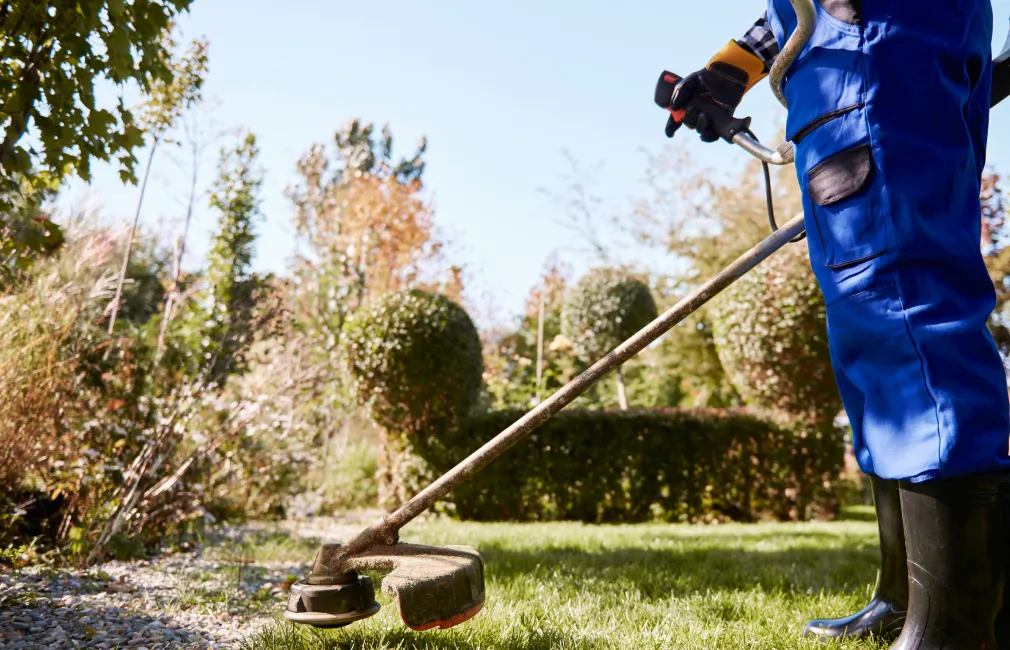
Harrison Plant Removal Types

Tree Removal
-
Shrub Removal
-
Stump Grinding
-
Root Extraction
-
Invasive Species Removal
-
Hedge Clearing
-
Overgrowth Management
Our Plant Removal Process
Site Evaluation
Preparation and Safety Measures
Plant Uprooting
Debris Removal
Site Restoration
Why Choose Harrison Landscape Services
-
Harrison Homeowners Trust Us
-
Expert Lawn Maintenance
-
Reliable Seasonal Cleanup
-
Competitive Pricing
-
Professional Team
-
Satisfaction Guarantee
-
Personalized Service Plans
Harrison’s Plant Removal Ordinances and Permit Requirements
Plant removal activities in Harrison are governed by specific municipal ordinances to ensure public safety, environmental protection, and neighborhood standards. Removal of trees with a diameter at breast height (DBH) greater than 6 inches requires a permit, with an application fee of $50 and a review period of up to 10 business days. Work is permitted during the following hours:
- Monday-Friday: 7:00 AM - 7:00 PM
- Saturday: 8:00 AM - 6:00 PM
- Sunday and holidays: Prohibited All plant debris must be disposed of according to city guidelines, which prohibit burning and require use of biodegradable bags or 32-gallon containers for curbside collection. For properties within 50 feet of wetlands or protected areas, a 25-foot no-disturbance buffer is enforced. Permit applications and ordinance details are managed by the Building and Zoning Department.
City of Harrison Building and Zoning
300 George Street, Harrison, OH 45030
Phone: (513) 367-3715
Official Website: City of Harrison Building and Zoning
Soil Series and Drainage Considerations for Plant Removal in Harrison
Harrison’s predominant soils, including Rossmoyne silt loam and Clermont silt loam, are characterized by moderate to poor drainage and a pH range of 5.8 to 6.5. These soils often exhibit seasonal water tables at 12-18 inches, requiring careful planning for plant removal to prevent soil compaction and erosion. Removal work should avoid wet periods, typically March through early May, to minimize rutting and disturbance. For sites with heavy clay content, core aeration to a depth of 3 inches is recommended post-removal to restore soil structure. Soil testing is available through OSU Extension for $15-25 per sample. Consult the USDA Web Soil Survey for site-specific soil data. When working near slopes or drainageways, maintain a 25-foot vegetative buffer to reduce runoff and sedimentation.
Environmental Compliance: Stormwater and Wetland Protections in Harrison
Plant removal in Harrison must comply with the city’s MS4 stormwater permit and state environmental regulations under the Ohio Environmental Protection Act. Discharge of soil, mulch, or plant debris into storm drains is strictly prohibited. Properties adjacent to wetlands, streams, or conservation areas must maintain a 25-foot no-disturbance buffer, and all removal activities must avoid altering natural drainage patterns. The Ohio EPA oversees stormwater compliance, while Hamilton County Environmental Services provides local guidance on debris management and water quality protection. For large-scale projects, erosion control measures such as silt fencing or straw wattles are required. Violations may result in fines or stop-work orders. For further information, contact:
Hamilton County Environmental Services
250 William Howard Taft Road, Cincinnati, OH 45219
Phone: (513) 946-7777
Official Website: Hamilton County Environmental Services
Equipment Operation and Safety Standards for Plant Removal in Harrison
All plant removal operations in Harrison must adhere to municipal safety and noise standards. Equipment operation is restricted to:
- Monday-Friday: 7:00 AM - 7:00 PM
- Saturday: 8:00 AM - 6:00 PM
- Sunday and holidays: Prohibited Operators must use commercial-grade equipment with functioning mufflers, and noise levels must not exceed 85 decibels at property lines. Personal protective equipment (PPE) is mandatory, including:
- Eye protection: ANSI Z87.1 safety glasses
- Hearing protection: Earmuffs or plugs for 85+ dB
- Footwear: Steel-toed boots
- Gloves: Cut-resistant for pruning, chemical-resistant for herbicide use Maintain a 15-foot clearance from overhead utilities and contact Ohio 811 at least 72 hours before any ground disturbance. The Streets Department provides additional safety guidance and can assist with traffic control plans for work near public roads.
City of Harrison Streets Department
300 George Street, Harrison, OH 45030
Phone: (513) 367-3728
Official Website: City of Harrison Streets Department
Seasonal Timing and Weather Considerations for Plant Removal in Harrison
Harrison is located in USDA Hardiness Zone 6a, with average last frost in mid-April and first frost in late October. Optimal timing for plant removal is:
- Spring: April 15 - May 30 (soil temp 50-65°F)
- Fall: September 1 - October 31 (before first frost) Avoid removal during June-August due to heat stress and soil compaction risk. Monitor local weather forecasts through the National Weather Service Cincinnati Office to plan around heavy rainfall events, which can increase erosion and site disturbance. For projects in flood-prone areas or near the Whitewater River, schedule work during dry periods and implement erosion controls. The City of Harrison Parks can provide additional guidance for removal activities in or near public parks and greenways.
What Neighborhoods Do We Serve Throughout Harrison, OH?
- Downtown Harrison: Features mature street trees and compacted urban soils, requiring careful removal planning and coordination with historic district guidelines.
- Whitewater Trails: Proximity to the Whitewater River and conservation areas necessitates strict buffer compliance and erosion control during plant removal.
- West Harrison: Larger lots with heavy clay soils and moderate slopes; drainage management and soil restoration are key considerations.
- Legacy Place: Newer development with engineered soils and HOA landscaping standards; removal work must comply with community guidelines and setback requirements.
- Harrison Woods: Dense tree cover and proximity to wetlands; special attention to protected species and wetland buffer enforcement.
- Blue Rock Estates: Suburban area with mixed soil types and moderate drainage; access for equipment may be limited by narrow streets and overhead utilities.
- Park Avenue District: Adjacent to city parks, requiring coordination with Parks Department for removal near recreational facilities and public green spaces.