
Harrison Hedging Services
Choose Harrison Hedging for precision, reliability, and lush results—our skilled team ensures your property stands out with perfectly maintained, healthy hedges tailored to your needs.
Get a Free QuoteOur Harrison Landscaping & Yard Care Services
When to Schedule Hedging in Harrison, Ohio – Seasonal Guide
In Harrison, Ohio, timing your hedging services is crucial for maintaining healthy, attractive landscapes. The region’s climate features cold winters with late frosts and humid summers, making early spring and late summer the most effective periods for hedging. Scheduling work after the last frost—typically in late April—ensures that new growth isn’t damaged, while a second round in late August helps shape hedges before the dormant season. Neighborhoods near Miami Whitewater Forest or along New Haven Road often experience microclimates, so it’s important to consider local conditions when planning.
Local environmental factors such as soil composition, shade from mature trees, and the risk of summer droughts can all impact the best time for hedging. For example, properties in the Shadow Creek area may have heavier clay soils that retain moisture, while those closer to the Whitewater River might face higher humidity and shade coverage. Always check for municipal guidelines or seasonal restrictions, which can be found on the town’s official website, to ensure compliance with local regulations.
Local Factors to Consider for Hedging in Harrison
- Tree density and proximity to wooded areas
- Terrain slope and drainage patterns
- Average precipitation and drought risk
- Frost dates and seasonal temperature swings
- Municipal restrictions or neighborhood association guidelines
Benefits of Hedging in Harrison
Enhanced Property Value
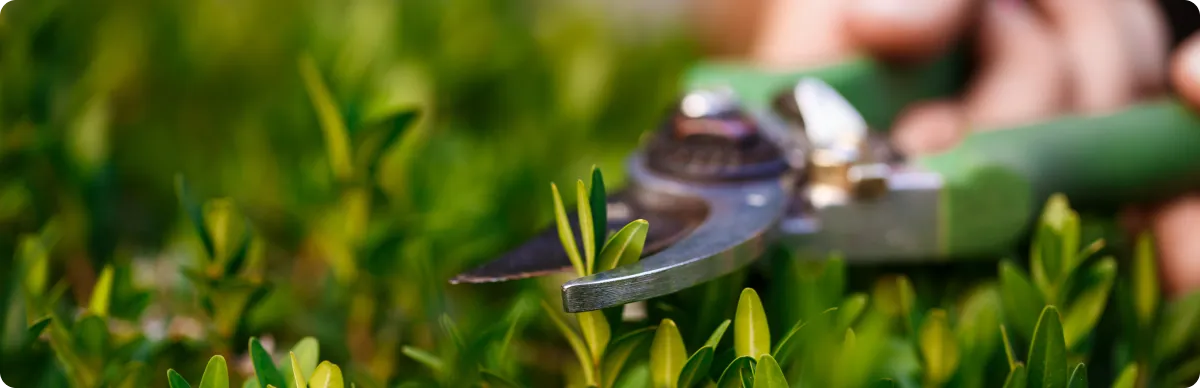
Professional Hedge Shaping
Year-Round Curb Appeal
Expert Local Knowledge
Reliable Scheduling
Eco-Friendly Practices
Harrison Hedging Types

Boxwood Hedges
-
Privet Hedges
-
Laurel Hedges
-
Yew Hedges
-
Holly Hedges
-
Beech Hedges
-
Hornbeam Hedges
Our Hedging Process
Consultation
Site Preparation
Precision Trimming
Cleanup
Why Choose Harrison Landscape Services
-
Harrison Homeowners Trust Us
-
Expert Lawn Maintenance
-
Reliable Seasonal Cleanup
-
Competitive Pricing
-
Professional Team
-
Satisfaction Guarantee
-
Personalized Service Plans
Hedging Practices for Harrison’s Predominant Soil Series and Drainage Patterns
Harrison’s landscape is shaped by soils such as Rossmoyne silt loam and Clermont silt loam, both common in the region according to the USDA Web Soil Survey. These soils are moderately well-drained but can exhibit compaction in developed areas, affecting root growth and hedge vigor. Soil pH typically ranges from 6.0 to 6.8, suitable for many hedge species but requiring periodic testing. For optimal establishment, hedges should be planted in amended soil with 2-3 inches of compost tilled to a 6-inch depth. Drainage improvements, such as French drains or raised beds, are recommended in areas with seasonal water tables at 18-24 inches. Soil testing is available through OSU Extension for a nominal fee.
City of Harrison Building and Zoning
300 George Street, Harrison, OH 45030
Phone: (513) 367-3715
Official Website: City of Harrison Building and Zoning
Municipal Coordination and Permit Requirements for Hedging in Harrison
Hedging projects in Harrison must comply with local ordinances regarding property lines, sightline requirements, and protected areas. Permits are required for hedge installation or removal within 25 feet of public rights-of-way or city parks. The application fee is typically $50, with a review period of 7-10 business days. Setbacks of 5 feet from sidewalks and 10 feet from intersections are enforced to maintain visibility and pedestrian safety. Equipment operation for hedge trimming is permitted:
- Monday-Friday: 7:00 AM - 7:00 PM
- Saturday: 8:00 AM - 6:00 PM
- Sunday and holidays: Prohibited All debris must be disposed of through the city’s weekly yard waste collection, using biodegradable bags or 32-gallon containers.
City of Harrison Streets Department
300 George Street, Harrison, OH 45030
Phone: (513) 367-3728
Official Website: City of Harrison Streets Department
Environmental Compliance: Protecting Harrison’s Wetlands and Stormwater Systems
Hedging near Harrison’s wetlands, such as those adjacent to the Whitewater River, requires strict adherence to buffer regulations. A 25-foot no-disturbance zone is enforced from the edge of delineated wetlands, and no fertilizer or pesticide application is permitted within 50 feet of water bodies. The city’s MS4 permit, regulated under the Clean Water Act, prohibits yard waste or clippings from entering storm drains. Compliance is monitored by the Ohio Environmental Protection Agency and EPA Region 5. Residents are encouraged to consult the Ohio Environmental Protection Act for further details.
Hamilton County Environmental Services
250 William Howard Taft Road, Cincinnati, OH 45219
Phone: (513) 946-7777
Official Website: Hamilton County Environmental Services
Selecting Hedge Species Suited to Harrison’s Climate and Urban Conditions
Harrison is located in USDA Hardiness Zone 6a, with average annual minimum temperatures of -10°F to -5°F. Recommended hedge species for these conditions include:
- American holly (Ilex opaca): Tolerates clay soils and urban pollution
- Arrowwood viburnum (Viburnum dentatum): Native, deer-resistant, and adaptable
- Boxwood (Buxus sempervirens): Prefers pH 6.0-7.0, requires well-drained soil
- Eastern red cedar (Juniperus virginiana): Drought-tolerant, suitable for screening Plant hedges 18-24 inches apart for dense coverage. Avoid salt-sensitive species along roadways due to winter deicing. For additional guidance, consult OSU Extension plant selection resources.
City of Harrison Tree Board
300 George Street, Harrison, OH 45030
Phone: (513) 367-3728
Official Website: City of Harrison Tree Board
Safety Protocols and Equipment Standards for Hedging Operations in Harrison
All hedging work in Harrison must adhere to municipal safety standards. Operators are required to use:
- Eye protection: ANSI Z87.1 safety glasses
- Hearing protection: Earmuffs or plugs for equipment exceeding 85 dB
- Footwear: Steel-toed boots with non-slip soles
- Gloves: Cut-resistant for pruning Maintain a 15-foot clearance from overhead utilities and a 10-foot buffer from public sidewalks during operation. Commercial-grade trimmers must be equipped with functional mufflers, and blades should be sharpened every 20-25 hours of use. Traffic cones and high-visibility vests are mandatory when working within 25 feet of public roads.
City of Harrison Police Department
300 George Street, Harrison, OH 45030
Phone: (513) 367-3715
Official Website: City of Harrison Police Department
What Neighborhoods Do We Serve Throughout Harrison, OH?
- Downtown Harrison: Features mature landscaping and historic properties, often requiring careful compliance with setback and visibility ordinances for hedging near intersections and sidewalks.
- Whitewater Trails: Proximity to the Whitewater River and associated wetlands necessitates strict adherence to buffer zones and stormwater protection measures during hedge installation and maintenance.
- West Harrison Estates: Larger lots with heavy clay soils and moderate slopes, requiring soil amendment and drainage solutions for successful hedge establishment.
- Legacy Meadows: Newer development with compacted fill soils and underground utilities, making equipment access and safe operation critical for hedging projects.
- Parkside Village: Adjacent to city parks, this area is subject to additional municipal oversight and may require permits for hedging near public land boundaries.
- Heritage Woods: Dense tree canopy and shaded conditions influence species selection, favoring shade-tolerant and deer-resistant hedge varieties.
- Riverbend Crossing: Located in a floodplain, this neighborhood faces unique challenges with drainage and requires salt-tolerant, flood-resistant hedge species.